A thoughtful approach to TMJ care
Begin with an evaluation. Learn what may be contributing to your symptoms before deciding whether treatment is right for you.
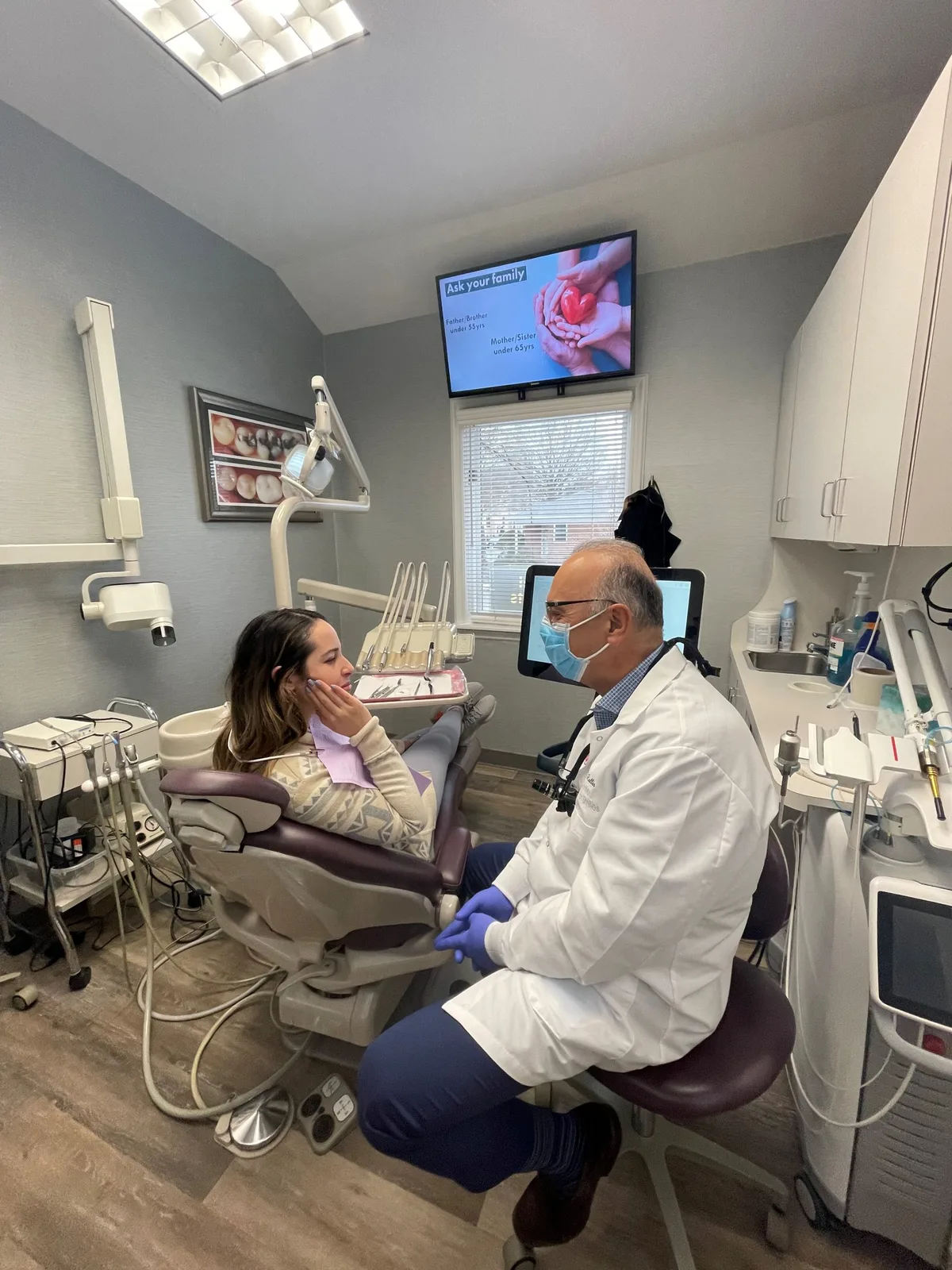
How our TMJ care approach works
1. Evaluation
A closer look at your symptoms, jaw movement, muscles, joints, and bite to help frame the conversation.
2. Stabilization
When appropriate, reversible options such as a custom orthotic may be discussed to support a more comfortable jaw position.
3. Longer-term planning
If a longer-term change is appropriate, options may include restorative, orthodontic, or other dental care based on your needs.
Start with reversible options when appropriate
Many people begin by discussing non-surgical, reversible options. Surgery is not typically the first step in this approach, and any recommendation depends on the individual evaluation. The goal is to understand what may support comfort and function for your jaw.
A custom-fabricated orthotic, sometimes called a splint, may be one option to discuss. If used, it is monitored as part of an ongoing care plan. A stable or pain-free result cannot be promised, and long-term bite changes are considered only when the evaluation supports them.
A whole-jaw perspective
Dr. Rallis’s work is informed by his role with the Dawson Academy and the NYC Dawson Study Club. This perspective considers the teeth, muscles, and joints together rather than treating one symptom in isolation.
The goal is a measured conversation about possible options, expected tradeoffs, and the next step that fits your situation. Individual results vary.
The next step starts with a conversation
Learn more at a complimentary seminar, or request a private evaluation to discuss your symptoms and questions with the team.